Table of Contents
Join Now and Get Your First Consultation Free!
Secure your health with a yearly membership for just €29.90. Sign up today and enjoy peace of mind with expert care at your fingertips!
Get Started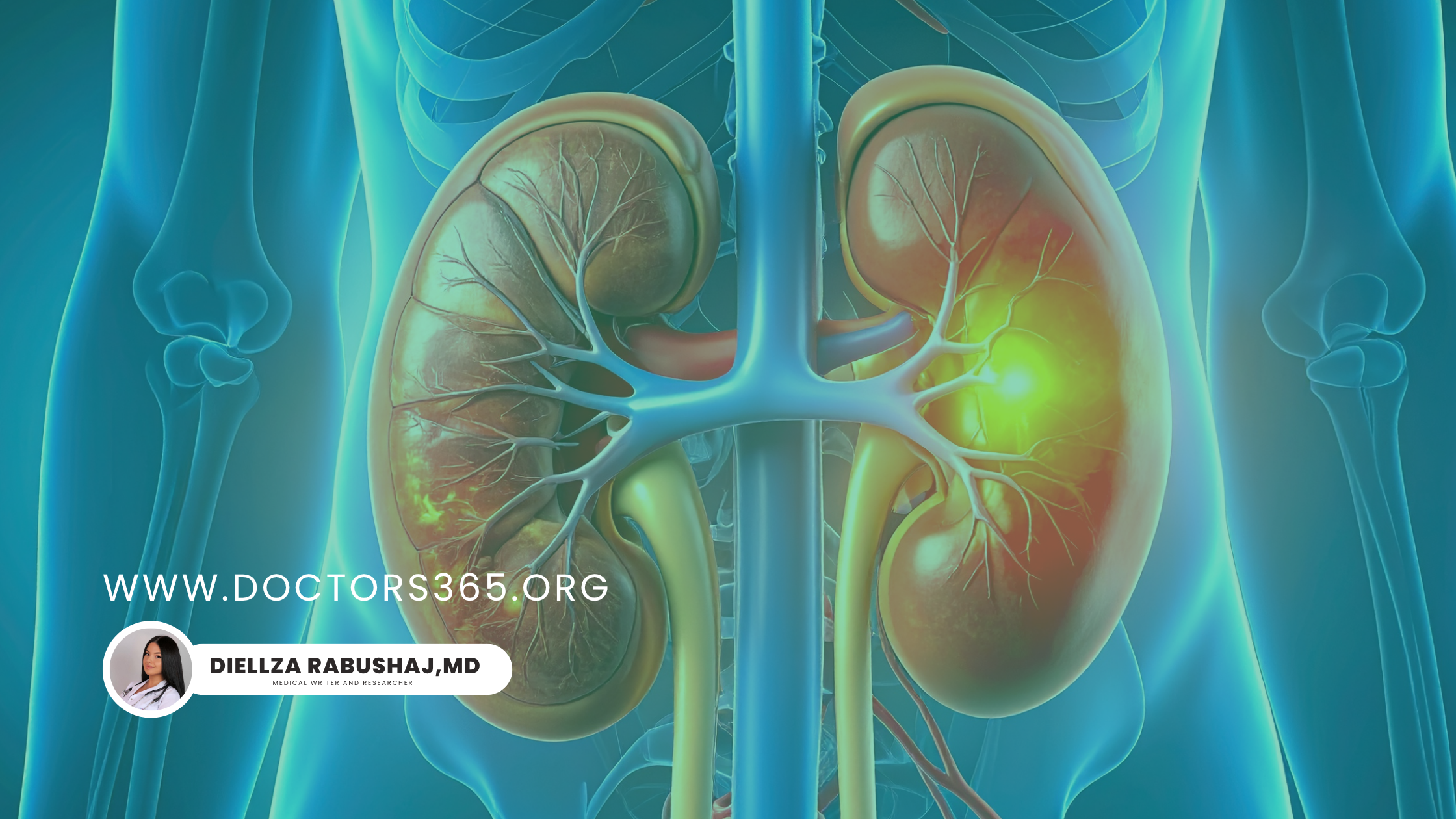
Vitamin D and Kidney Health
Vitamin D is often discussed as a bone and immune health vitamin, but its relationship with kidney health is especially important. The kidneys help activate vitamin D, and chronic kidney disease can disturb vitamin D metabolism, calcium, phosphate, and parathyroid hormone balance. These changes may contribute to bone weakness, mineral disorders, and complications that require individualized medical care. This article explains the effect of vitamin D in kidney health in clear, patient-friendly language. It covers how vitamin D works, what changes in chronic kidney disease, why both deficiency and excessive supplementation can be harmful, and how patients can use supplements safely. It also highlights when to seek medical advice and why blood tests are important before taking high-dose vitamin D.
Vitamin D and kidney health are closely connected because the kidneys help convert vitamin D into its active hormone form, which supports calcium and phosphate balance and healthy bones [1]. For many people, vitamin D is discussed mainly as a supplement for bone strength, but in patients with kidney disease it becomes more complex. Chronic kidney disease can reduce the kidney’s ability to regulate vitamin D metabolism, parathyroid hormone, calcium, and phosphate, increasing the risk of chronic kidney disease–mineral and bone disorder [2]. At the same time, taking high doses of vitamin D without medical supervision can raise calcium levels and may contribute to kidney stones or kidney injury in susceptible people [1,3]. Understanding the effect of vitamin D in kidney health can help patients make safer, better-informed decisions.
How Vitamin D Works in the Body
Vitamin D is obtained from sunlight exposure, food, and supplements. After entering the body, it is converted first in the liver to 25-hydroxyvitamin D, the main blood marker used to assess vitamin D status, and then in the kidneys to active 1,25-dihydroxyvitamin D, also called calcitriol [1]. Calcitriol helps the intestine absorb calcium and phosphate, two minerals needed for bones, muscles, nerves, and many cellular functions [1].
Because the kidneys are part of this activation pathway, kidney function influences how vitamin D behaves in the body. In healthy kidneys, this system is tightly regulated. In chronic kidney disease, however, the kidneys may become less able to produce active vitamin D, and the body may respond with rising parathyroid hormone levels [2]. This can disturb bone remodeling and mineral balance over time.
Vitamin D Deficiency and Chronic Kidney Disease
Vitamin D deficiency or insufficiency is common in people with chronic kidney disease, and lower vitamin D levels have been associated with lower kidney function in observational studies [4]. This does not mean vitamin D deficiency is always the cause of kidney disease, but it does mean that vitamin D status is clinically relevant in many kidney patients.
The KDIGO guideline for chronic kidney disease–mineral and bone disorder recommends monitoring calcium, phosphate, parathyroid hormone, and alkaline phosphatase beginning in CKD stage G3a, with testing frequency based on the stage of disease and the degree of abnormality [2]. It also suggests that 25-hydroxyvitamin D levels may be measured and that deficiency or insufficiency may be corrected using treatment strategies recommended for the general population [2].
This is important because vitamin D deficiency can contribute to poor bone mineralization and may worsen secondary hyperparathyroidism, a condition in which the parathyroid glands produce too much hormone in response to mineral imbalance [2]. However, vitamin D treatment in CKD should not be viewed as a simple “more is better” approach.
Nutritional Vitamin D Versus Active Vitamin D
There are different forms of vitamin D therapy. Nutritional vitamin D, such as cholecalciferol or ergocalciferol, is commonly used to correct low 25-hydroxyvitamin D levels. Active vitamin D or vitamin D analogues, such as calcitriol or paricalcitol, are prescription medicines used in selected kidney patients, especially when parathyroid hormone remains high despite correction of modifiable factors [2].
KDIGO advises that calcitriol and vitamin D analogues should not be routinely used in adults with CKD stages G3a to G5 who are not on dialysis, and that their use may be reserved for patients with CKD stages G4 to G5 with severe and progressive hyperparathyroidism [2]. This cautious approach exists because active vitamin D can increase calcium and phosphate levels, which may raise the risk of vascular calcification and other complications in CKD [2].
A 2024 review of clinical trial evidence found that vitamin D therapy is widely used in CKD, but trials have not clearly shown that nutritional or active vitamin D improves major clinical outcomes such as cardiovascular events, kidney disease progression, or mortality [5]. Therefore, treatment decisions should focus on individual blood results, CKD stage, symptoms, bone risk, parathyroid hormone trends, and specialist advice.
Can Too Much Vitamin D Harm the Kidneys?
Yes. Vitamin D is essential, but excessive intake can be harmful. Vitamin D toxicity is usually caused by high-dose supplements rather than sunlight or normal diet, and it can lead to hypercalcemia, meaning too much calcium in the blood [1]. Hypercalcemia may cause nausea, vomiting, weakness, dehydration, frequent urination, confusion, kidney stones, and in severe cases kidney failure or abnormal heart rhythms [1,3].
The National Institutes of Health lists the adult tolerable upper intake level for vitamin D as 100 micrograms, or 4,000 IU, per day, unless a clinician prescribes a different dose for a specific medical reason [1]. This upper limit is not a treatment target; it is the level above which the risk of harm may increase for many people [6]. Patients with chronic kidney disease, kidney stones, high calcium levels, sarcoidosis, certain cancers, or those taking calcium supplements or thiazide diuretics should be especially careful and should discuss supplementation with a healthcare professional.
Vitamin D, Calcium, and Kidney Stones
The relationship between vitamin D and kidney stones is not the same for every patient. Vitamin D increases calcium absorption, and in some people this may raise urinary calcium levels, which can contribute to calcium-containing kidney stones [7]. However, vitamin D does not automatically cause stones in everyone. Risk depends on dose, blood calcium, urine calcium, hydration, diet, kidney function, stone history, and other medical conditions [7].
People with previous kidney stones should not start high-dose vitamin D or combined calcium and vitamin D supplements without medical advice. A clinician may recommend blood tests and sometimes urine testing to assess calcium handling before or during treatment.
Practical Importance for Patients
Vitamin D and kidney health matter because both low and excessive vitamin D can create problems. Too little vitamin D may contribute to bone weakness and abnormal parathyroid hormone activity, especially in chronic kidney disease [2]. Too much vitamin D may raise calcium levels and strain the kidneys, particularly when taken in high doses or combined with calcium supplements [1,3].
For patients, the practical message is balance. Vitamin D should be treated as a medically active nutrient, not just a harmless wellness product. This is especially true for people with reduced kidney function, diabetes, hypertension, kidney stones, osteoporosis, or abnormal calcium or phosphate levels. Safe care usually requires checking kidney function, vitamin D status, calcium, phosphate, and sometimes parathyroid hormone before choosing the right dose or formulation.
Practical Advice for Safe Vitamin D Use
Patients should avoid taking high-dose vitamin D for long periods unless it has been prescribed and monitored by a qualified healthcare professional. A blood test for 25-hydroxyvitamin D can help determine whether supplementation is needed [1]. In people with kidney disease, doctors may also check estimated glomerular filtration rate, calcium, phosphate, alkaline phosphatase, and parathyroid hormone to guide safe treatment [2].
Do not combine multiple supplements without checking labels, because vitamin D may be present in multivitamins, bone health formulas, immune supplements, and calcium tablets. Patients should also tell their doctor about all medicines and supplements they take. For many adults, routine recommended intake rather than very high dosing is appropriate unless there is a confirmed deficiency or a specific clinical indication [8].
When to Seek Medical Help
Patients should contact a healthcare professional before taking vitamin D if they have chronic kidney disease, a history of kidney stones, high calcium levels, parathyroid disease, osteoporosis, pregnancy, malabsorption, or long-term steroid use. Medical advice is also important if symptoms such as persistent nausea, vomiting, constipation, excessive thirst, frequent urination, unusual weakness, confusion, flank pain, blood in the urine, or worsening fatigue appear while taking vitamin D [1,3]. Seek urgent medical care if symptoms are severe, sudden, or worsening, especially with dehydration, confusion, chest symptoms, or reduced urination.
Conclusion
The effect of vitamin D in kidney health is important but should be understood carefully. Vitamin D supports calcium balance, bone health, and hormone regulation, and the kidneys play a key role in activating it [1]. In chronic kidney disease, vitamin D deficiency and mineral imbalance are common concerns, but supplementation should be individualized rather than automatic or excessive [2,5]. The safest approach is to use vitamin D based on medical history, kidney function, blood tests, and professional guidance. For patients with kidney disease or kidney stone risk, “more vitamin D” is not always better. The right dose, the right form, and proper monitoring matter.
Book a consultation with a Doctors365 specialist to discuss kidney health, vitamin D testing, supplement safety, or abnormal laboratory results. A qualified doctor can help personalize advice based on your symptoms, medical history, kidney function, and treatment goals.
References
- National Institutes of Health Office of Dietary Supplements. Vitamin D: Fact Sheet for Health Professionals. Bethesda: NIH; 2025.
- Kidney Disease: Improving Global Outcomes CKD-MBD Update Work Group. KDIGO 2017 clinical practice guideline update for the diagnosis, evaluation, prevention, and treatment of chronic kidney disease–mineral and bone disorder. Kidney Int Suppl. 2017;7(1):1-59.
- Asif A, Farooq N. Vitamin D Toxicity. In: StatPearls. Treasure Island: StatPearls Publishing; 2023.
- Kim CS, Kim SW. Vitamin D and chronic kidney disease. Korean J Intern Med. 2014;29(4):416-427.
- Yeung WCG, Palmer SC, Strippoli GFM. Vitamin D therapy in chronic kidney disease. Clin Kidney J. 2024;17(8):sfae227.
- Institute of Medicine. Dietary Reference Intakes for Calcium and Vitamin D. Washington: National Academies Press; 2011.
- Letavernier E, Daudon M. Vitamin D, hypercalciuria and kidney stones. Nutrients. 2018;10(3):366.
- Demay MB, Pittas AG, Bikle DD, Diab DL, Kiely ME, Lazaretti-Castro M, et al. Vitamin D for the prevention of disease: an Endocrine Society clinical practice guideline. J Clin Endocrinol Metab. 2024;109(8):1907-1947.
Written by
Dr. Diellza Rabushaj, MD
Recommended articles for You
Vitamin D plays an important role in calcium balance, bone health, and kidney-related hormone regulation.

Allergic rhinitis can cause sneezing, nasal congestion, runny nose, itching, and eye symptoms.

Regenerative medicine for diabetes is an exciting research area, but it is not a routine cure.

Application
Get Doctors - 365 App !
Consult with qualified doctors of any profile in online video, audio and chat 24/7