Table of Contents
Join Now and Get Your First Consultation Free!
Secure your health with a yearly membership for just €29.90. Sign up today and enjoy peace of mind with expert care at your fingertips!
Get Started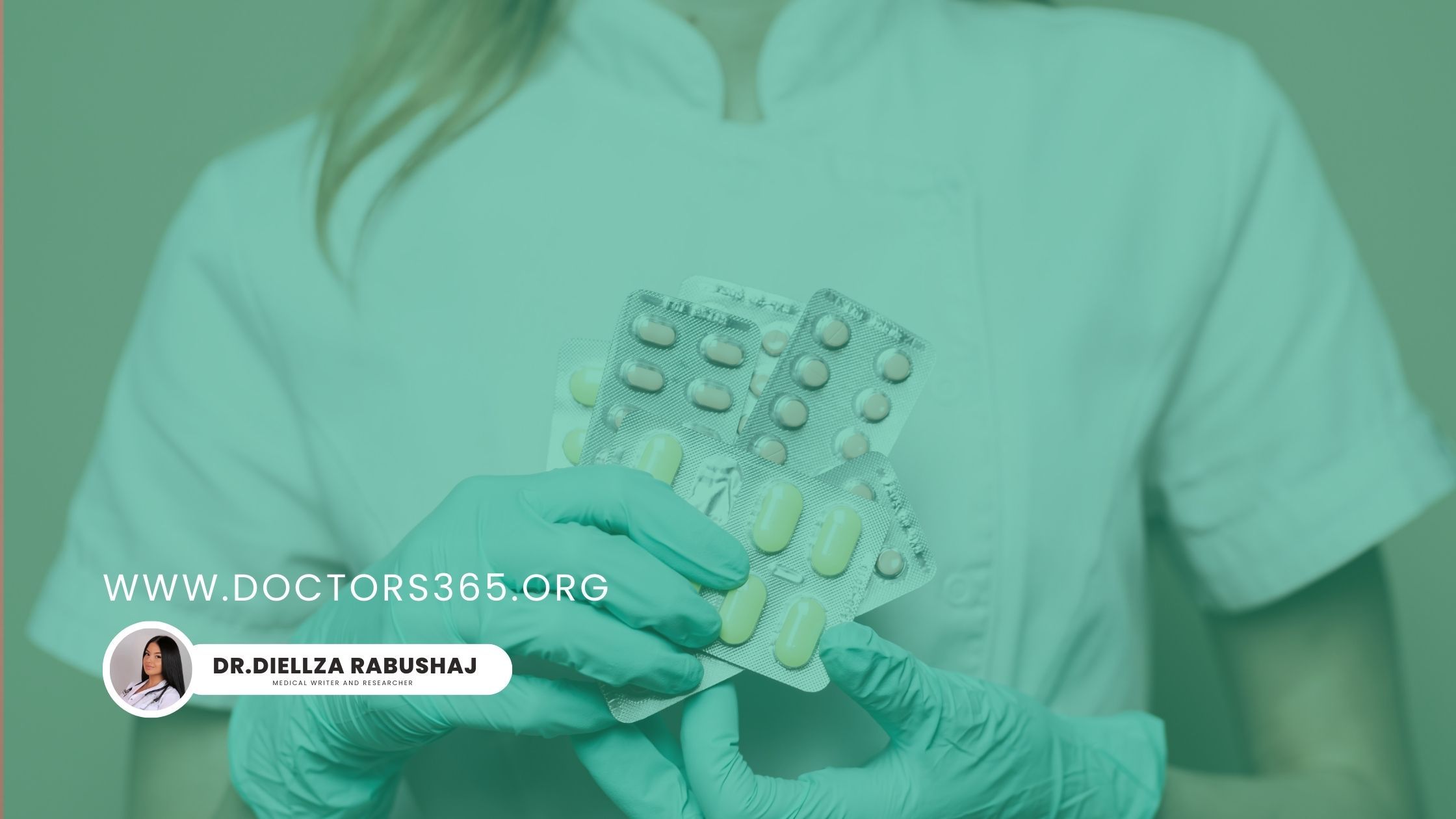
The GLP-1 Pill Guide
Oral GLP-1 receptor agonists are a promising option for people who prefer a pill over injections. This Doctors365 patient guide explains oral semaglutide and the emerging oral agent RGT-075, including what studies have shown for HbA1c and weight, how oral semaglutide should be taken (fasting plus a wait before eating), and common side effects like nausea and constipation. It also clarifies why “GLP-1 foods” are often overhyped and offers practical, supportive eating habits that may improve comfort and consistency while using GLP-1 therapy.
Disclaimer (Please Read First)
This article is for educational purposes only and is not a substitute for medical advice, diagnosis, or emergency care. If you have severe symptoms (chest pain, severe shortness of breath, fainting, signs of stroke, or severe/persistent vomiting), seek urgent medical help immediately.
Author: Dr. Diellza Rabushaj
When people talk about “GLP-1,” they’re usually talking about two big goals: better blood sugar control and healthier weight management. If you’re living with type 2 diabetes—or you’re working on weight and cardiometabolic health—you’ve probably seen GLP-1 medicines everywhere. And if injections feel like a barrier, you may be wondering: Is there a GLP-1 pill? Does it really work? What should I expect?
1. Oral GLP-1 medications: what they are
GLP-1 (glucagon-like peptide-1) is a hormone your body naturally releases, especially after eating. Medicines called GLP-1 receptor agonists (GLP-1 RAs) are designed to copy or enhance that signal. They can help by:
- supporting better glucose control (often reflected as improved HbA1c) [3,10]
- helping many people feel full sooner, which can support weight loss [1,5]
- working in a glucose-dependent way, which is one reason the class generally has a low intrinsic risk of hypoglycemia (the risk can increase when combined with certain other diabetes medicines) [1]
Why oral (pill) GLP-1 options are different
Many GLP-1 medicines are peptides (protein-like). The digestive system is great at breaking peptides down—so creating a pill that still works is challenging. That’s why oral GLP-1 options need special design.
Two oral GLP-1 options are highlighted in the research you shared:
- Oral semaglutide (used in type 2 diabetes studies and clinical care) [2,3,10]
- RGT-075 (an oral small-molecule GLP-1 RA studied in adults with obesity without diabetes, in an early phase 2a trial) [4]
Oral semaglutide: why timing matters
Oral semaglutide uses an absorption enhancer called SNAC (sodium N-(8-[2-hydroxybenzoyl]amino) caprylate), which helps protect the medicine and supports absorption through the stomach lining. [6,9]
Because absorption is sensitive, the routine matters: take it while fasting, then wait at least 30 minutes before eating (post-dose fasting). [2,6]
This timing requirement can be a deal-maker or deal-breaker depending on your morning schedule—so it’s worth planning around.
2. What results can you realistically expect? (blood sugar, weight, and comparisons)
If you’re reading this, you probably want the bottom line: Will it lower HbA1c? Will it help with weight? How does it compare to other options?
Blood sugar (HbA1c): what oral semaglutide has shown
In a major type 2 diabetes study (PIONEER 1), oral semaglutide lowered HbA1c in a dose-dependent way. Over 26 weeks, placebo-adjusted HbA1c reductions ranged roughly from -0.6% to -1.4% across doses from 3 mg to 14 mg (depending on the analysis approach used in the trial). [10]
A separate randomized trial also showed meaningful HbA1c improvements across a broader range of doses, supporting the pattern that higher doses generally lower HbA1c more (as long as they’re tolerated). [3]
If your HbA1c is above target, oral semaglutide can make a meaningful difference for many people—especially at higher doses—when taken consistently and tolerated. [3,10]
Weight loss: what oral semaglutide has shown
Weight outcomes vary from person to person, but clinical trials give helpful ranges.
In PIONEER 1, the 14 mg dose was associated with weight loss of about -2.3 kg (treatment policy estimand) and -2.6 kg (trial product estimand) compared with placebo at 26 weeks. [10]
Across other trial populations and treatment backgrounds, reported weight loss at 14 mg ranged roughly from -2.1 kg to -4.3 kg in the program summaries you provided. [2]
A broader meta-analysis of GLP-1 receptor agonists (as a class) reported a mean weight reduction versus control groups of about -2.9 kg (95% CI -3.6 to -2.2) in higher-BMI type 2 diabetes populations. [5]
Many people see some weight loss with GLP-1 therapy, and higher doses tend to produce more weight change—though individual results vary and take time. [2,5,10]
How does oral semaglutide compare with injectable GLP-1 medicines?
Comparisons across GLP-1 medicines suggest oral semaglutide 14 mg can be very strong for HbA1c lowering versus many injectable GLP-1 options, while injected semaglutide at higher doses may still come out stronger in some comparisons. [8]
For weight, oral semaglutide also performs well, with injected semaglutide often being the closest competitor. [8]
Oral semaglutide can be a powerful option—especially when a pill is preferred—but the “best” fit depends on your goals (HbA1c vs weight), tolerability, and whether the fasting routine is realistic. [2,8,10]
RGT-075: early research in obesity (without diabetes)
RGT-075 is an oral small-molecule GLP-1 RA studied in adults with obesity without diabetes for 12 weeks. In that early trial, participants taking RGT-075 had about -5.4% weight reduction versus -0.45% with placebo (placebo-adjusted difference ~-4.95%). [4]
Blood pressure improvements were also notable: about -10.8 mmHg systolic and -4.9 mmHg diastolic placebo-adjusted. [4]
These early results are encouraging, but they’re still short-term, early-phase findings. Longer studies are needed to understand long-term benefits and safety. [4]
3. Side effects, safety, and the truth about “GLP-1 foods”
GLP-1 medicines can be life-changing for some people—but they’re not always easy at the beginning. Knowing what to expect can help you stay comfortable and consistent.
Common side effects: what many people notice
The most common side effects across GLP-1 medicines are gastrointestinal:
- nausea
- vomiting (less common for some, more common for others)
- constipation
- abdominal discomfort [1,2]
In program summaries you provided, nausea with oral semaglutide ranged roughly from 11.4% to 23.2% across studies. [2]
In PIONEER 1, stopping the medicine due to adverse events ranged from about 2.3% to 7.4% across doses (with 2.2% on placebo in that study). [10]
In the RGT-075 12-week trial, nausea (40%) and vomiting (24%) were reported as mild-to-moderate, and discontinuation due to adverse events was 4% (similar to placebo). [4]
Comfort-first tips that often help (discuss with your clinician):
- go slow with dose increases (many side effects show up during titration) [2,10]
- eat smaller portions, especially early on (large meals can feel uncomfortable when appetite is reduced) [1,2]
- stay hydrated—reduced appetite can sometimes lead to reduced fluid intake [1,2]
Hypoglycemia (low blood sugar): usually low risk, but context matters
GLP-1 medicines generally have a low intrinsic risk of hypoglycemia because they work in a glucose-dependent way. [1]
However, the risk can increase depending on what they’re combined with, especially medicines that can cause low blood sugar on their own.
Heart and cardiovascular safety
Oral semaglutide has been evaluated for cardiovascular safety and has been reported as non-inferior to placebo for cardiovascular outcomes, with reduced cardiovascular deaths and overall mortality described in the program summaries you provided. [2,9]
“GLP-1 foods”: what’s helpful to know
You may see “GLP-1 foods” trending online. The research set summarized for this topic did not identify studies that tested a specific category of “GLP-1 foods” as a proven treatment approach.
That doesn’t mean food isn’t important—food absolutely matters for comfort, consistency, and long-term results. A more useful focus is supportive eating habits that work well with GLP-1 therapy, such as:
- Smaller meals at the start if nausea is present [1,2]
- Protein with meals to support fullness and healthier weight loss [5]
- Gradually increasing fiber (constipation is commonly reported, but sudden fiber jumps can cause bloating for some) [2]
- Regular hydration (especially on days appetite is low) [1,2]
4. How doctors365.org can support you (online care, specialists, prep, and next steps)
If you’re thinking about an oral GLP-1—or you’re already on one—the most helpful thing is having a plan that fits your real life: your routine, your goals, your other medicines, and your side effects.
What can usually be handled safely online
Online visits are often a great fit for:
- reviewing HbA1c results and current diabetes treatment [10]
- discussing whether oral semaglutide’s fasting routine fits your mornings [2,6]
- planning dose increases and side-effect strategies [2,10]
- talking through weight goals and realistic expectations [2,5,10]
- reviewing blood pressure and cardiometabolic risk factors (especially when weight and BP are part of the goal) [2,4,9]
When you should seek urgent in-person care
Please seek urgent medical evaluation (or emergency care) if you have:
- severe, persistent vomiting with dehydration symptoms
- severe abdominal pain that doesn’t go away (especially with fever)
- chest pain, severe shortness of breath, fainting, or stroke symptoms
How doctors365.org works
- Browse doctors
- Pick a time that suits you
- Confirm & pay
- Join a secure online visit
- Receive a clear medical summary and next steps (including prescriptions when clinically appropriate)
Which Doctors365 specialists are most relevant
To keep this copy-paste ready and accurate, here are the most relevant Doctors365 specialist directories (internal links only). You can feature 3–5 specific clinician profiles from these pages in your blog layout:
- Endocrinology (diabetes + GLP-1 planning):
- Internal Medicine (whole-person metabolic plan):
- Cardiology (blood pressure + cardiometabolic risk):
- Gastroenterology (persistent GI symptoms):
Pricing and availability
Pricing depends on appointment type and specialty. Availability is easiest to confirm by checking open time slots on the Doctors365 app.
How to prepare for your GLP-1 online consultation
A few simple items can make your visit much more productive:
- your most recent HbA1c (and any glucose readings you track) [10]
- your full medication list (including supplements) [1,2]
- your weight trend (weekly is enough) [2,5]
- notes on symptoms you’re worried about (nausea, constipation, reflux) [1,2]
- your morning routine (important for fasting dosing with oral semaglutide) [2,6]
FAQs
1) How much can oral semaglutide lower HbA1c?
In a 26-week trial, placebo-adjusted HbA1c reductions ranged roughly from -0.6% to -1.4% across 3–14 mg doses (depending on analysis approach). [10]
2) Can an oral GLP-1 pill help with weight loss?
Yes. In a 26-week trial, 14 mg was associated with about -2.3 to -2.6 kg weight loss vs placebo, and program summaries reported up to about -4.3 kg depending on population and background therapy. [2,10]
3) Why does oral semaglutide need fasting and a 30-minute wait?
Its absorption is sensitive; fasting dosing with a post-dose wait improves absorption. [2,6]
4) Are side effects common?
Stomach-related side effects (especially nausea) are the most common. In program summaries, nausea ranged around 11.4%–23.2% across studies, and discontinuation due to adverse events ranged about 2.3%–7.4% across doses in a key trial. [2,10]
5) Are “GLP-1 foods” proven?
The research summarized here did not identify studies supporting a specific “GLP-1 foods” category as a proven treatment approach. A more practical focus is eating habits that support comfort and consistency while using GLP-1 therapy. [1,2]
References
- Brunton S, Wysham C. GLP-1 receptor agonists in the treatment of type 2 diabetes: role and clinical experience to date. Postgraduate Medicine. 2020.
- Kim HS, Jung C. Oral semaglutide, the first ingestible glucagon-like peptide-1 receptor agonist: Could it be a magic bullet for type 2 diabetes? International Journal of Molecular Sciences. 2021.
- Davies M, Pieber TR, Hartoft-Nielsen ML, Hansen OKH, Jabbour S, et al. Effect of oral semaglutide compared with placebo and subcutaneous semaglutide on glycemic control in patients with type 2 diabetes: A randomized clinical trial. JAMA. 2017.
- Rosenstock J, Lender D, Raiser F, Guzman D, Crawford KO, et al. First report on the small molecule oral GLP-1 receptor agonist RGT-075 in obesity—A randomized, placebo-controlled phase 2a proof-of-concept twelve-week study. Diabetes. 2025.
- Shin S. Glucagon-like peptide-1 receptor agonists and their effects on weight reduction. Journal of Diabetes Investigation. 2012.
- Hedrington MS, Davis SN. Oral semaglutide for the treatment of type 2 diabetes. Expert Opinion on Pharmacotherapy. 2018.
- Pratley R, Bauer R, Inzucchi SE, Khunti K, Kreiner E, et al. Effect of oral semaglutide with or without background SGLT2i in patients with T2D: Subgroup analysis of PIONEER 4. Diabetes. 2020.
- Nuhoho S, Gupta J, Hansen BB, Fletcher-Louis M, Dang-Tan T, et al. Orally administered semaglutide versus GLP-1 RAs in patients with type 2 diabetes previously receiving 1–2 oral antidiabetics: Systematic review and network meta-analysis. Diabetes Therapy. 2019.
- Cowart K. Oral semaglutide: First-in-class oral GLP-1 receptor agonist for the treatment of type 2 diabetes mellitus. The Annals of Pharmacotherapy. 2019.
- Aroda VR, Rosenstock J, Terauchi Y, Altuntas Y, Lalic N, et al. PIONEER 1: Randomized clinical trial comparing the efficacy and safety of oral semaglutide monotherapy with placebo in patients with type 2 diabetes. Diabetes Care. 2019.
Written by Diellza Rabushaj, Medical Writer & Researcher.
Recommended articles for You
A patient-friendly guide to home HIV testing, results, timing, and next steps.
Learn how oral GLP-1 pills work, what results to expect, and how Doctors365 can support your plan.

Evidence-based guide to contraception choices, effectiveness, and emergency options.

Get Doctors - 365 App !
Consult with qualified doctors of any profile in online video, audio and chat 24/7