Table of Contents
Join Now and Get Your First Consultation Free!
Secure your health with a yearly membership for just €29.90. Sign up today and enjoy peace of mind with expert care at your fingertips!
Get Started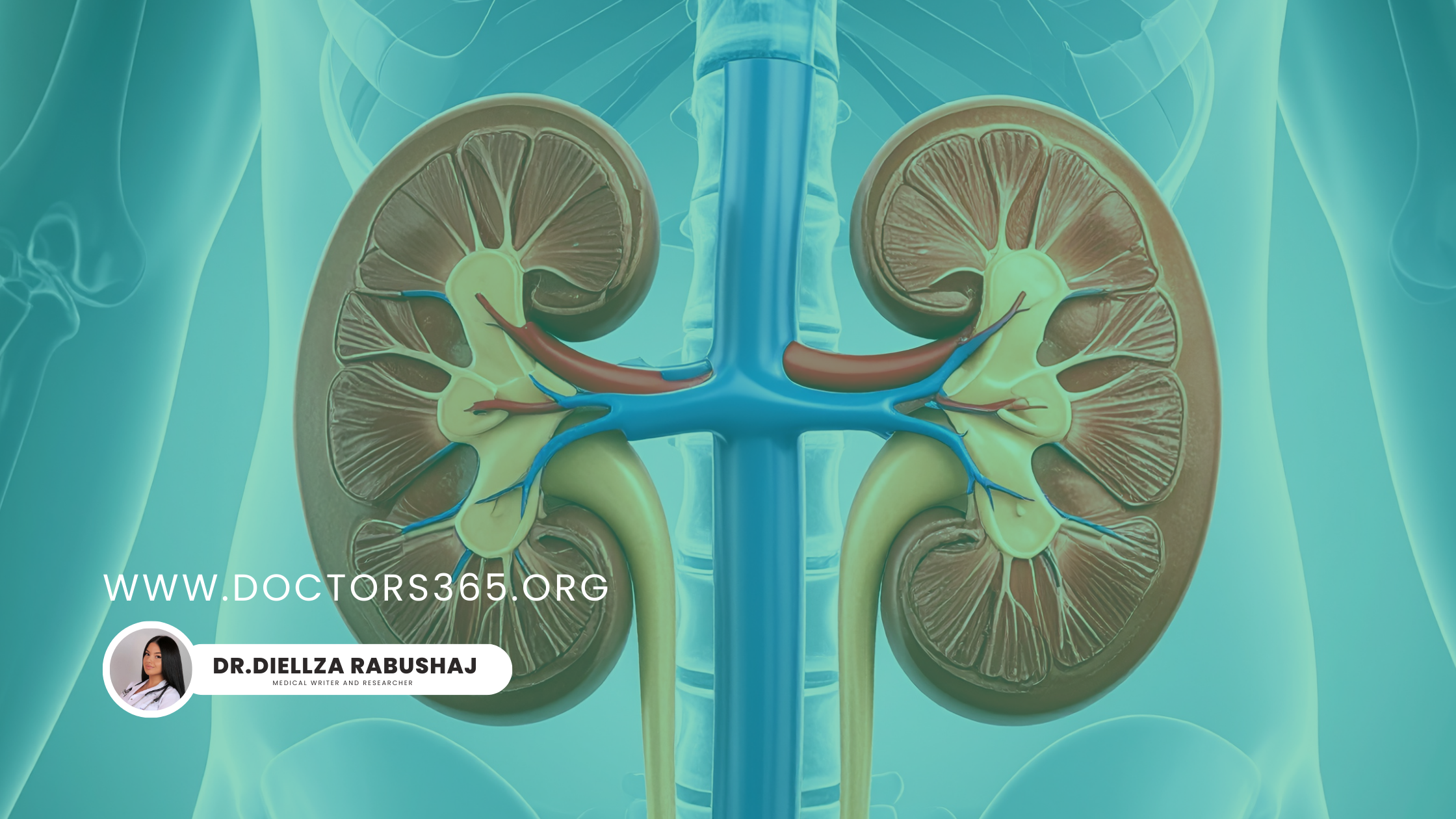
Personalised Bladder Cancer Care Online
Personalised medicine is transforming how bladder, prostate and kidney cancers are treated, using genomics, proteomics and pharmacometabolomics to move beyond one-size-fits-all chemotherapy. This in-depth guide explains what precision medicine means in real life, why biomarkers such as DNA-repair mutations and FGFR changes matter, and how they influence chemotherapy, immunotherapy and targeted options. You’ll see how secure online consultations with urologists and oncologists through Doctors365 can help you understand complex reports, get second opinions and prepare the right questions for your hospital team. We also cover what’s appropriate for online care, when you must seek urgent in-person help, and practical tips to get the most from your Doctors365 appointments.
Medical disclaimer: This article is for general educational purposes only. It does not replace a face-to-face consultation, diagnosis or treatment by your own doctor, and it is not suitable for emergencies.
If you have worrying symptoms (such as severe pain, heavy bleeding, high fever, chest pain, difficulty breathing, confusion, or you cannot pass urine), call your local emergency number or go to the nearest emergency department immediately.
Author: Dr. Diellza Rabushaj
1. Personalised medicine
Personalised medicine sounds very high-tech and hospital-based — but it’s increasingly something you can talk about from your sofa, in an online consultation with a urologist or oncology specialist.
In this article, we’ll look at:
- What personalised medicine means in urology and bladder cancer
- How research into genomics, proteomics and pharmacometabolomics is changing treatment choices [1–3]
- How Doctors365 can help you access expert advice online, get second opinions, and understand which options may suit you best
You’ll also find:
- Clear guidance on what is and isn’t suitable for online care
- Practical tips to prepare for your online appointment
- When to stop reading…and seek urgent in-person help instead
1.1 Who this is for
This guide is for you if:
- You have (or suspect) bladder cancer, prostate cancer, or kidney (renal) cancer
- You’re at higher risk (family history, smoking, occupational exposure)
- You’re already under follow-up but want a second opinion or more personalised planning
- You’re a carer, partner or family member trying to understand modern treatment options
It is not a replacement for your oncology/urology team, but it can help you ask more focused questions and make better use of your Doctors365 online consultations.
2. What is personalised medicine in urology and bladder cancer?
Personalised medicine means using information about your individual tumour and your body to choose the right treatment, at the right time, for the right person — instead of giving every patient the same standard regimen. [1–3]
That information can include:
- Genetic and genomic changes in the cancer
- Proteins expressed by tumour cells (proteomics)
- Metabolic signatures in blood or urine (pharmacometabolomics)
- Your age, other conditions, kidney function, and treatment goals
2.1 Genomics and proteomics: looking under the tumour’s “hood”
Early papers in urology described personalised medicine as tailoring treatment to a patient’s genetic composition and tumour biology, especially for clinically localised prostate and bladder cancer. [1]
Key ideas from this type of research include:
- Using genomic testing and molecular profiling to guide:
- Who should receive more aggressive treatment
- What specific therapies they may benefit from [1]
- Considering advanced techniques (e.g. robotic cystectomy) as part of an overall personalised plan rather than a one-size-fits-all approach [1]
In many cases, these early articles are conceptual: they outline the vision of using genetic and protein information but may not yet list all the exact biomarkers or clinical protocols. [1]
2.2 Pharmacometabolomics: metabolic “fingerprints” to predict response
Another piece of the personalised puzzle is pharmacometabolomics — basically, studying your body’s metabolic fingerprints to predict how you’ll react to certain drugs. [2]
In urological cancers (prostate, bladder, and renal cancers): [2]
- Standard therapies include:
- Prostate cancer (PCa): surgery, radiotherapy, androgen deprivation therapy (ADT)
- Bladder cancer (BCa): TURBT, radical cystectomy, chemotherapy
- Renal cell carcinoma (RCC): surgery for local disease, targeted therapies for metastatic disease
- Responses are often unsatisfactory due to:
- Toxicity
- Drug resistance (e.g. castration-resistant prostate cancer; resistance to targeted agents in RCC) [2]
- For example, chemotherapy response in bladder cancer is roughly 40–50%, and while localised RCC can have around 93% 5-year survival, metastatic disease outcomes are much poorer. [2]
Pharmacometabolomics aims to:
- Use metabolic signatures to predict who will respond to a drug
- Spot early markers of resistance
- Reduce overtreatment — avoiding harsh therapies in patients unlikely to benefit [2]
2.3 Precision immunotherapy and chemotherapy in bladder cancer
Precision medicine in urothelial bladder cancer is increasingly built on: [2,3]
- Genomic testing for mutations in:
- DNA-repair genes like ERCC2, FANCC, ATM, RB1 [3]
- Signalling and growth pathways (e.g. FGFR3/FGFR2, PIK3CA, PI3K/mTOR) [2]
- Targeted agents, such as erdafitinib for FGFR3-mutated tumours [2]
- Immune checkpoint inhibitors (PD-1/PD-L1–directed drugs) guided by specific tumour and immune markers [3]
In practice, that means:
- Some clinical trials now enrol patients based on genomic changes and immune markers rather than just tumour stage [3]
- The goal is to select chemotherapy, targeted therapy and immunotherapy based on your tumour’s DNA repair status and immune profile, not just “bladder cancer” as a label [2,3]
3. Why a personalised approach matters for patients
3.1 The problem with “one-size-fits-all” treatment
Traditional cancer treatment often looks like this:
- Diagnose the cancer
- Look at stage and grade
- Offer the same regimen to entire groups
But research shows that patients with the same stage and type of cancer can have very different responses and side-effects because their tumours — and bodies — are biologically different. [2,3]
Consequences of a non-personalised approach can include:
- Overtreatment: aggressive therapy for patients who might have done well with less
- Undertreatment: missing an opportunity to use targeted therapies
- Unnecessary side-effects with limited or no benefit
3.2 Benefits for quality of life and outcomes
When it works well, personalised medicine can: [2,3]
- Increase the chance that a chosen therapy actually works
- Help avoid treatments with high toxicity but low expected benefit
- Allow closer monitoring for resistance, using biomarkers
- Potentially improve both survival and quality of life
Online care doesn’t replace hospital-based treatment — but it can help you understand your options, interpret test results, and make sure the treatment plan you’re offered makes sense in the context of modern precision medicine.
4. How online care with Doctors365 supports precision urology
4.1 What an online urology visit can cover
Through Doctors365, you can book secure video consultations with experienced:
- Urologists (for bladder, prostate, kidney, testicular and urinary issues)
- Medical oncologists specialising in genitourinary cancers
- Other specialists involved in your cancer journey (e.g. radiologists, radiation oncologists, survivorship doctors)
During an online visit, your doctor can:
- Review your diagnosis, staging and pathology reports
- Go through CT/MRI/ultrasound reports (you can upload them)
- Explain biomarker and genomic test results, if you have them [2,3]
- Discuss the pros and cons of chemotherapy, immunotherapy, surgery or active surveillance
- Help you understand whether newer targeted therapies (like FGFR-directed drugs) may be part of your pathway [2]
- Provide a second opinion on recommended treatment options
Call to action:
Want to talk through your bladder or prostate cancer plan with an online specialist?
Book a secure consultation with a Doctors365 urologist at /doctors/urology/all/.
4.2 How doctors use your reports and test results
A personalised approach depends on information. During your Doctors365 visit, your doctor may ask for:
- Histology/pathology reports
- Imaging summaries (CT, MRI, PET, ultrasound)
- Laboratory tests (kidney and liver function, tumour markers)
- Genomic or biomarker panels, if done (e.g. DNA-repair mutations, FGFR alterations) [2,3]
- Medication list, including previous chemotherapy or targeted agents
They can then:
- Explain what those mutations or biomarkers mean in plain language [2,3]
- Put your results in context of current evidence about DNA repair genes and signalling pathways [2,3]
- Help you prepare better questions for your in-person oncology/urology team
5. How Doctors365 works (step-by-step)
Booking on Doctors365 is simple:
- Browse
- Go to the relevant specialty (for example: Urology, Oncology) and browse verified doctors’ profiles.
- Pick a time
- Choose a time slot that suits you — including evenings or weekends, depending on availability.
- Confirm & pay
- Securely confirm your appointment and pay online. You’ll see the exact fee before you commit.
- Join your secure visit
- At the appointment time, log in and start your encrypted video consultation from your phone, tablet or laptop.
- Receive a summary & prescriptions
- After the visit, you can receive a written summary, recommendations, and e-prescriptions when appropriate (depending on your country’s rules).
6. Key benefits of Doctors365 for urological and bladder cancer care
Choosing Doctors365 for online consultations offers several advantages:
- 24/7 access
- Depending on doctor availability, you can often find appointments outside typical clinic hours — helpful if you’re working, caring for family, or travelling.
- Privacy and comfort
- Talk about sensitive symptoms (e.g. urinary issues, sexual function) from a private space at home, not a crowded waiting room.
- Convenience and fewer trips
- Avoid long journeys or waiting times for discussions that can safely happen online (explanations of results, treatment options, side-effect management).
- Reduced costs
- No travel or parking fees; transparent consultation pricing.
- Access to expertise
- Book with specialists who regularly work with urological cancers and are familiar with modern precision medicine approaches. [2,3]
Call to action:
Ready for a second opinion on your bladder cancer treatment plan?
Compare oncology specialists and book online at /doctors/oncology/all/.
7. Specialists you can see on Doctors365 (urology & oncology)
Because I don’t have direct access to your internal Doctors365 roster, I can’t list your colleagues by name — but here are the types of 3–5 specialist profiles you’ll want to highlight on your blog page:
- Consultant Urologist – Uro-oncology focus
- Special interest in bladder, prostate and kidney cancers, cystoscopy and surgical management.
- Medical Oncologist – Genitourinary cancers
- Experienced in chemotherapy, immunotherapy and targeted therapies for bladder, prostate and renal cell carcinoma. [2,3]
- Radiation Oncologist – Urological cancers
- Expertise in radiotherapy for bladder and prostate cancer, including organ-sparing approaches.
- Translational Oncologist / Precision Medicine Expert
- Focused on integrating genomic and biomarker test results into real-world treatment decisions. [2,3]
- Featured Doctors365 specialists for urology & uro-oncology
When you’re ready to book, you don’t have to guess who to choose — you can see real urologists and oncologists on Doctors365 with clear profiles, experience and pricing. - Dr Violeta Skorić – Urology (Serbia)
A Serbian urologist with experience at General Hospital “dr Radivoj Simonović” in Sombor and international practice in a maternity and paediatric hospital in Abha, Saudi Arabia. Trained at the Faculty of Medicine in Novi Sad and the University of Belgrade, she’s an excellent choice if you want a calm, step-by-step explanation of urinary or bladder problems and your treatment options. - Dr Emil Mukhtarov – Urology
An internationally trained urologist with clinical experience in Azerbaijan, Turkey and Saudi Arabia, including Oxygen Hospital in Baku and Dammam Medical Complex. Educated at Azerbaijan Medical University and Ege University in İzmir, with further training in Strasbourg, he offers a broad, international perspective on urology and complex cases — ideal if you’re looking for a specialist experienced with diverse patients and healthcare systems. - Dr Elias López Jiménez – Oncologist (Spain)
A Spanish medical oncologist educated at Universidad Complutense de Madrid, with oncology experience in Madrid. He is well placed to discuss chemotherapy, immunotherapy and follow-up plans, and to help you understand how your cancer type and stage fit into modern treatment pathways — a strong option if you want a clear, oncology-focused second opinion. - Dr Ambe Peter Che – Oncologist, Surgery & Physical Medicine
An oncologist and surgeon based in Germany who also works in physical medicine and rehabilitation, with experience at GFO Clinics Rhein-Berg and a PhD from the University of Cologne. He is a great fit if you want to talk not only about tumour-directed treatment, but also about recovery, function and long-term quality of life after cancer therapy.
Browse more specialists and filter by language, price and availability on the main urology and oncology pages:
/doctors/urology/all/ • /doctors/oncologist/all/
8. What’s safe online vs when you must go in person
Online care is not right for everything. It works best for:
- Reviewing diagnoses and reports
- Discussing treatment options and second opinions
- Managing mild to moderate side-effects (when safe)
- Talking about sexual function, urinary symptoms, lifestyle and survivorship
- Clarifying genomic or biomarker results and what they might mean for therapy choices [2,3]
You should not rely on an online consultation alone if you have:
- Severe pain (flank, abdominal or pelvic), especially with fever or vomiting
- Heavy or sudden bleeding in urine (passing large clots or continuous bright red blood)
- Inability to pass urine at all
- High fever, chills or feeling very unwell with urinary symptoms
- Chest pain, difficulty breathing, confusion, loss of consciousness, or new weakness
These can be medical emergencies. In those situations, you should call your local emergency number or go to the nearest emergency department immediately.
Doctors365 doctors can help decide what should happen next, but they must never delay emergency care.
9. Pricing and availability of online urology consultations
Pricing on Doctors365 is:
- Transparent – you see the fee before booking
- Per consultation – no need for long-term subscriptions unless clearly stated
- Variable by doctor – more senior or sub-specialised consultants may have higher fees
Availability depends on each clinician’s schedule, but you can usually filter by:
- Earliest available appointment
- Time of day (morning/afternoon/evening)
- Language spoken
- Sub-specialty (for example, uro-oncology, survivorship, sexual medicine)
For exact prices and current time slots, check the relevant specialty page such as urology or oncology
10. How to prepare for your Doctors365 online visit
A little preparation makes an online cancer-related visit much more productive.
Before the appointment:
- Gather documents
- Pathology reports (biopsies, TURBT, cystectomy specimens)
- Imaging reports (CT, MRI, PET, ultrasound)
- Blood tests and other lab results
- Genomic or biomarker test reports, if available [2,3]
- Write down key questions, such as:
- “What are my realistic options now?”
- “How do my tumour’s features (stage, grade, mutations) affect treatment?”
- “Is there a role for targeted or immunotherapy in my case?” [2,3]
- List your medications
- Include chemotherapy, hormonal treatments, targeted drugs and supplements.
Technical checks:
- Test your camera, microphone and internet connection
- Sit in a quiet, private room
- Have a notepad or open document ready for notes
During the consultation:
- Be specific about your symptoms and side-effects
- Ask your doctor to explain any biomarker or mutation names in simple terms
- Clarify what needs to be done in person (e.g. cystoscopy, scans, blood tests) and what can be safely followed up online
11. Realistic expectations: what online doctors can and can’t do
Online doctors can:
- Explain diagnoses, staging, and pathology reports
- Help you understand how personalised medicine applies in your case [1–3]
- Give second opinions and discuss guidelines and evidence [2,3]
- Advise on managing certain side-effects and when to escalate care
- Issue e-prescriptions when appropriate and legally allowed
Online doctors cannot:
- Perform physical examinations, cystoscopy or surgery
- Provide all chemotherapy or infusion-based treatments (these require hospital facilities)
- Replace your entire local oncology or urology team
- Safely manage life-threatening emergencies — these always belong in an emergency department
Think of Doctors365 as your expert, accessible layer of support on top of your usual care: a way to ask focused questions, understand cutting-edge options and feel more in control.
12. Frequently asked questions (FAQs)
12.1 Can a Doctors365 online visit replace my hospital oncologist or urologist?
No. Online care is an addition, not a replacement. Your hospital team is responsible for delivering treatments like surgery, radiotherapy and chemotherapy. Doctors365 can provide education, second opinions, and follow-up discussions to help you feel confident in your treatment plan.
12.2 Can an online doctor order genomic or biomarker tests for bladder cancer?
In many settings, yes — they can recommend and, where regulations allow, order appropriate tests, especially if genomic testing or biomarker profiling may influence treatment eligibility (for example, FGFR alterations or DNA-repair mutations). [2,3] Availability depends on your country and lab access, so ask your doctor what’s realistic for you.
12.3 How does personalised medicine actually change my day-to-day treatment?
Personalised medicine may influence:
- Which drugs you receive (e.g. adding targeted or immunotherapies for certain mutations or immune profiles) [2,3]
- Whether you’re a good candidate for more aggressive treatment vs active surveillance [1–3]
- How closely your doctors monitor you for resistance or relapse [2]
Your online doctor can help translate complex test reports into clear, practical implications for your daily life.
12.4 Is it worth getting a second opinion online if my plan is already set?
Often yes. A second opinion with a urologist or oncologist experienced in precision medicine can:
- Confirm that your plan matches current evidence [2,3]
- Identify additional options (for example, clinical trials or targeted agents you may be eligible for)
- Reassure you that you’re on the right track — or highlight questions to raise with your local team
12.5 What if I feel worse after starting treatment — should I book online or go straight to hospital?
If your symptoms are severe (high fever, heavy bleeding, chest pain, severe breathlessness, confusion, inability to pass urine, or uncontrollable vomiting), you should go straight to the emergency department or call your local emergency number.
For mild to moderate side-effects that are worrying but not life-threatening, an online Doctors365 consultation can help you understand what’s expected, what can be managed at home, and when to see your hospital team in person.
13. References
[1] Blanchet KD. Redefining personalized medicine in the postgenomic era: developing bladder cancer therapeutics with proteomics. BJU Int. 2010;105:i–iii. doi:10.1111/j.1464-410X.2009.09168.x.
[2] Amaro F, Carvalho M, Bastos MdL, Guedes de Pinho P, Pinto J. Pharmacometabolomics applied to personalized medicine in urological cancers. Pharmaceuticals (Basel). 2022;15(3):295. doi:10.3390/ph15030295.
[3] Felsenstein KM, Theodorescu D. Precision medicine for urothelial bladder cancer: update on tumour genomics and immunotherapy. Nat Rev Urol. 2018;15(2):92–111. doi:10.1038/nrurol.2017.179.
Written by Diellza Rabushaj, Medical Writer & Researcher.
Recommended articles for You

A quick guide to booking and attending online doctor consultations on Doctors365.

Simple review of H₂ therapy evidence from human studies.
A practical, evidence-based guide to home BP, oxygen, and glucose monitoring for older adults.
Application
Get Doctors - 365 App !
Consult with qualified doctors of any profile in online video, audio and chat 24/7